

Brake Warning Signs: When to Search for Auto Repair Near Me
Brakes rarely go from working perfectly to failing without some kind of warning. More often, drivers notice a sound that was not there last week, a pedal that feels different, or a stop that takes a little longer than expected. Those changes are easy to dismiss when the car still seems drivable. Yet braking performance is one area where waiting for a problem to become obvious can carry real risks.
For drivers in Star Prairie and New Richmond, Wisconsin, dependable brakes are especially important on rural roads, during busy commutes, and when wet leaves, snow, or ice reduce traction. Knowing what to watch for does not mean diagnosing the problem yourself. It means recognizing when an ordinary drive calls for a professional inspection.
Unusual Noises When You Press the Brake Pedal
A high-pitched squeal can be an early sign that brake pads are wearing down. Many pads include a wear indicator designed to make noise when the friction material reaches a certain point. Still, not every squeak signals worn pads. Moisture, surface rust after a rainy night, or grit caught near a braking component can also cause temporary sounds.
The difference is often in the pattern. Noise that returns every time you brake, grows louder, or changes from squealing to grinding deserves prompt attention. Grinding can indicate metal-to-metal contact or another serious mechanical issue. Rather than assuming it will disappear, arrange an inspection and avoid driving if braking feels compromised.
Shaking or Pulsing During a Stop
When you slow down, the brake pedal should generally feel steady. Repeated pulsing through the pedal or shaking in the steering wheel during ordinary braking suggests that something needs checking. Uneven brake rotor surfaces are one possible cause, but wheel, tire, and suspension problems can create similar sensations.
There is one important exception: during a hard stop on a slippery surface, an anti-lock braking system may rapidly pulse the pedal as it works to prevent wheel lockup. That brief response can be normal. Shaking that happens during routine stops on dry pavement is different and should be assessed rather than explained away.
Stopping Takes More Distance Than It Used To
Most drivers develop a feel for how quickly their vehicle slows at familiar intersections. If you find yourself pressing harder or braking earlier to reach the same stopping point, pay attention. Reduced braking effectiveness may involve worn friction components, hydraulic faults, overheated brakes, or other conditions that require diagnosis.
Road conditions complicate the picture. A wet or icy Wisconsin road can lengthen stopping distances even when the vehicle is in good condition. What matters is a noticeable change under comparable conditions. Give yourself more following distance, avoid unnecessary trips if braking performance has deteriorated, and have the system checked promptly.
A Brake Pedal That Feels Soft or Sinks Too Far
A brake pedal should offer familiar, consistent resistance. A spongy sensation, excessive pedal travel, or a pedal that slowly sinks while you hold steady pressure may signal a hydraulic problem. Possible causes include air or fluid loss in the braking system, although the precise cause cannot be determined from pedal feel alone.
This warning deserves particular care because the ability to generate braking force may be affected. If the pedal suddenly feels abnormal or the vehicle is difficult to stop, pull over somewhere safe and do not continue driving. A qualified technician needs to inspect the system before the vehicle is used again.
The Vehicle Pulls to One Side When Braking
A car that veers left or right while the brakes are applied may have uneven braking force at its wheels. A sticking caliper or another brake-related fault could be involved. However, differences in tire pressure, tire condition, and road surface can also influence how a vehicle tracks.
Notice whether the pull happens specifically during braking or at other times as well. Either pattern offers useful information to a technician. Avoid compensating with increasingly forceful steering, particularly on narrow country roads where a sudden change in direction can leave little room for correction.
Dashboard Warnings That Should Not Be Ignored
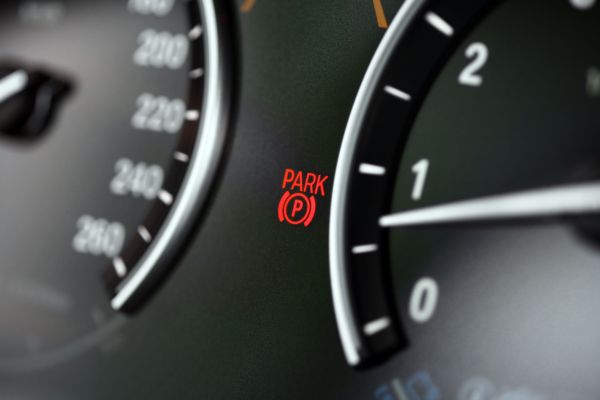
A brake-system warning light is not simply a reminder that maintenance will eventually be needed. Depending on the vehicle, it may relate to the parking brake, brake fluid level, or another condition. An anti-lock braking system warning light points to a different system, but it also warrants attention.
Start with the owner’s manual, which explains what each indicator means for your make and model. If a red brake warning stays illuminated after the parking brake is released, or appears alongside poor pedal feel, treat the situation as urgent. Do not assume that the absence of a warning light means the brakes are healthy, either; mechanical wear does not always trigger an alert.
Hot Odors or Smoke Near a Wheel
A sharp, overheated smell after driving downhill or making repeated stops may mean the brakes have become excessively hot. A dragging brake component can also generate heat during otherwise ordinary driving. Smoke near a wheel is a particularly concerning sign and should never be treated as routine.
Stop in a safe place, keep clear of hot components, and allow the vehicle to cool. Do not touch the wheel or brake hardware to test its temperature. Before driving again, have the cause assessed, especially if you also noticed pulling, resistance, or reduced braking power.
Why Local Driving Conditions Change the Picture
Brakes face changing demands across western Wisconsin. Winter road salt and moisture can contribute to corrosion, while gravel and road debris may create occasional noises. Temperature swings can make a symptom seem to come and go. None of those factors, however, makes persistent grinding, severe vibration, or an unusually soft pedal harmless.
Drivers commuting between Star Prairie and New Richmond may spend one day on clear pavement and the next on slush or slick rural stretches. Seasonal tire condition, safe speed, and following distance matter, but they cannot make up for a brake system that needs repair. A routine check before difficult weather can help identify wear before it affects a trip.
Knowing When to Arrange a Brake Inspection
Not every unfamiliar sound means an expensive repair, and not every serious problem announces itself loudly. The useful habit is to notice changes early, describe when they happen, and ask for a professional assessment before the symptom becomes harder to manage. Mention whether the noise occurs during light or firm braking, whether the vehicle pulls, and whether any dashboard lights have appeared.
For local drivers looking up auto repair near me, TinJtoo Auto Repair is one Star Prairie shop that lists brake diagnosis and repair among its mechanical services. Wherever you choose to have the vehicle checked, a careful inspection should identify the cause rather than assume that every symptom calls for the same repair.
Brakes are easy to take for granted because they are used on every drive. Paying attention to small changes, and responding quickly to serious ones, helps protect the confidence you need every time the road asks you to stop.