

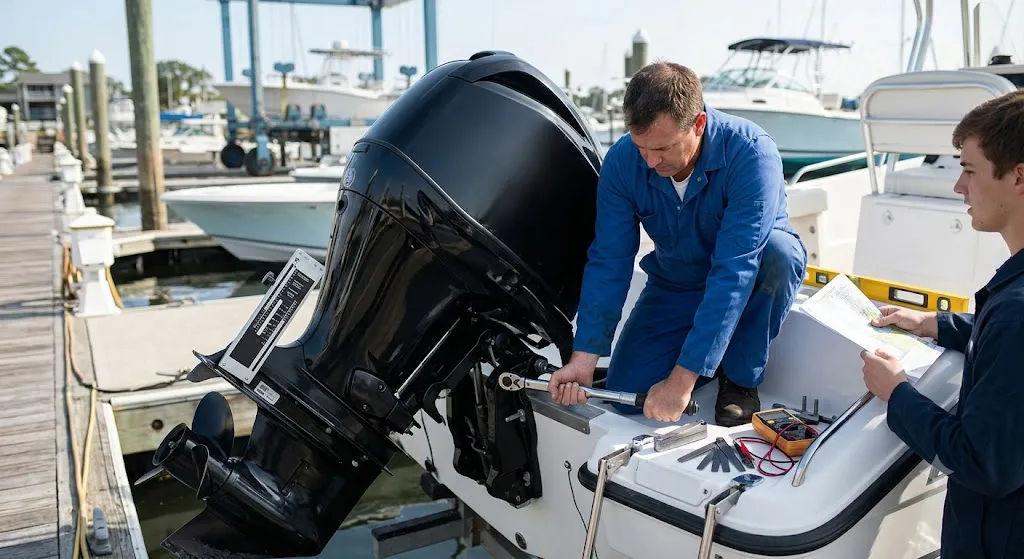
Buying a capable outboard is important, but the engine itself is only part of the performance equation. Installation height, propeller selection, weight distribution, trim settings, and steering setup can all influence how a boat feels on the water.
People comparing Outboard Motors for Sale should therefore think beyond specifications alone. Even a well-matched engine can perform poorly if the surrounding setup is wrong. Paying attention to installation details can improve handling, acceleration, efficiency, and everyday confidence.
Installation Height Affects Performance
The height at which an outboard is mounted can influence water flow around the lower unit and propeller. If the engine sits too low, unnecessary drag may increase and reduce efficiency.
If it sits too high, the propeller may struggle to maintain a consistent grip on the water. Correct mounting height helps the engine operate more effectively across different speeds.
Propeller Choice Changes Boat Behaviour
A propeller affects acceleration, engine speed, cruising performance, and load-carrying ability. Different pitch and diameter combinations can produce noticeably different results.
A boat carrying fishing equipment may need a different setup from the same hull used mainly for light recreational cruising. Propeller selection should match the vessel’s normal operating conditions rather than a single test run.
Weight Distribution Deserves Attention
Engine power alone cannot correct poor weight distribution. Heavy gear concentrated at the stern can make a boat slower to plane and may affect steering response.
Moving equipment into better positions can improve balance. Fuel tanks, batteries, coolers, fishing gear, and passenger seating all contribute to how the boat rides and handles.
Trim Settings Influence Efficiency
Trim helps control the angle of the engine relative to the boat. Small adjustments can change how quickly the vessel planes and how smoothly it moves through the water.
Correct trim can reduce unnecessary resistance and improve cruising efficiency. Excessive trim, however, may make handling less stable or reduce propeller grip.
Steering Setup Should Feel Predictable
Responsive steering is important for safety and comfort. A properly configured system should allow the operator to make controlled adjustments without excessive effort or unexpected movement.
The correct steering arrangement depends on boat size, engine power, and intended use. Larger or faster vessels may place greater demands on the steering system than smaller recreational boats.
Engine Selection Still Matters
A good setup cannot compensate for an engine that is fundamentally unsuitable for the boat. Horsepower, weight, shaft length, and control configuration still need to match the vessel.
Someone considering a Mercury Outboard should confirm these basic compatibility points before focusing on fine adjustments. Setup works best when the engine is already appropriate for the hull.
Test With a Typical Load
Testing a boat when it is almost empty can give a misleading impression of performance. Passengers, fuel, safety equipment, coolers, and fishing gear all add weight.
A realistic test should reflect normal use. This makes it easier to assess acceleration, planing time, steering response, and cruising comfort under everyday conditions.
Do Not Ignore Shaft Length
Shaft length must suit the boat’s transom design. An incorrect match can affect propeller depth, cooling performance, and overall handling.
Buyers should verify the required shaft length before purchasing. This detail is simple to check but can prevent major installation problems later.
Controls Should Suit the Layout
Throttle and shift controls need to fit naturally within the helm area. Awkward positioning can make low-speed maneuvering more difficult, especially around docks or crowded marinas.
The control system should also match the engine configuration. Clean installation and comfortable placement can make routine operation feel more precise.
Recheck Setup After Installation
The first installation does not always produce the best possible result. Small adjustments may be needed after the boat has been tested on the water.
Owners should pay attention to engine speed, acceleration, steering feel, and cruising behavior. Careful observation can reveal whether propeller changes, trim adjustments, or weight redistribution could improve performance.
Conclusion
Outboard performance depends on more than choosing the right engine. Installation height, propeller selection, trim, steering, shaft length, and weight distribution all influence how efficiently the complete boat operates.
A thoughtful setup can help a suitable motor deliver smoother acceleration, better control, and more comfortable cruising. Treating installation and adjustment as part of the buying process gives boat owners a stronger chance of getting the performance they expected from the beginning.