

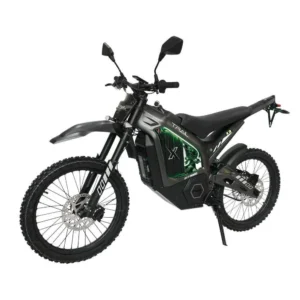
Weather can completely change the character of an off-road trail. A route that feels predictable on a dry morning may become slippery, rutted, or difficult to control after rain. For riders using an Electric dirt bike, understanding how weather and surface conditions affect traction, handling, braking, and equipment can make every outing safer and more enjoyable.
Temperature, moisture, wind, and the condition of the ground all influence how a motorcycle behaves. Rather than expecting the bike to perform identically in every situation, riders should adjust their approach according to the environment.
Dry and Hard-Packed Trails
Dry, compact trails can provide relatively predictable traction, but hard surfaces are not always easy to ride. When the ground becomes extremely firm, loose gravel and dust can collect on top, creating a layer with less grip than the surface underneath.
Cornering requires particular attention because the front and rear tires may respond differently when loose material covers hard soil. Smooth steering and controlled throttle inputs can help prevent sudden loss of traction.
Dust can also accumulate around mechanical components. Cleaning the motorcycle after a particularly dusty ride can help prevent abrasive material from building up around moving parts.
Wet Trails and Rain
Rain can transform an otherwise familiar route. Wet soil generally offers less predictable grip, while roots, rocks, and painted or artificial surfaces can become particularly slippery. Riders should reduce unnecessary speed and avoid abrupt braking or throttle movements. Maintaining a steady line and looking farther ahead can make it easier to anticipate slippery sections.
Mud also changes the shape of a trail. Tires can create deeper ruts, and water may expose rocks or holes that were previously hidden. Before riding after heavy rain, it is worth checking whether the trail is open and whether riding is permitted under current conditions.
Riding Through Mud
Mud presents a combination of traction and control challenges. A tire that performs well on firm ground may become packed with mud, reducing its ability to grip the surface.
When conditions become soft, maintaining momentum can be useful, but excessive throttle can cause the rear wheel to spin. Electric motorcycles can deliver torque quickly, so controlled throttle application is particularly important.
After a muddy ride, the motorcycle should be cleaned thoroughly. Mud that dries around the chain, suspension components, wheels, and other areas can make later inspection and maintenance more difficult.
Cold Weather Considerations
Low temperatures can affect both the rider and the motorcycle. Riders may experience reduced hand flexibility, making precise controls more difficult. Proper clothing and gloves can help maintain comfort without restricting movement.
Battery-powered motorcycles also require sensible temperature management. Riders should follow the manufacturer’s guidance for charging and storing the battery in cold conditions rather than immediately charging a battery that may be outside its recommended temperature range.
Planning a short warm-up period and checking the motorcycle before departure can help identify problems before reaching the trail.
Hot and Dry Conditions
High temperatures create a different set of challenges. Riders can become dehydrated or fatigued more quickly, especially during physically demanding trail sessions.
Dust can also become heavier during prolonged dry weather. Visibility may decrease when another rider is ahead, so maintaining additional distance can be helpful during group rides.
It is sensible to take regular breaks and inspect the motorcycle during longer outings. Tires, brakes, chain components, and other parts should not be ignored simply because the weather is dry.
How Trail Surface Changes Riding Technique
Weather does not only affect the motorcycle; it changes the trail itself. A rocky route can become slippery when wet, while a sandy section may become firmer after moisture settles into the surface.
Riders should therefore avoid relying entirely on how a trail behaved during a previous visit. Familiar routes can present completely different challenges after a storm, prolonged heat, or changing temperatures.
Keeping speeds appropriate for visibility and surface conditions gives riders more time to respond to unexpected obstacles.
Equipment for Changing Conditions
Carrying basic protective and maintenance equipment becomes more valuable when conditions are unpredictable. Depending on the type of ride, riders may want appropriate protective clothing, gloves, eye protection, tools, and supplies for minor adjustments.
Those exploring Surron models should also become familiar with the manufacturer’s recommendations for operating and caring for the motorcycle in different environmental conditions.
Conclusion
Weather is an important part of trail riding because it can change traction, visibility, terrain, and equipment requirements within a short period. Dry, wet, muddy, cold, and hot conditions each require a slightly different approach.
By checking the trail beforehand, adjusting riding technique, maintaining suitable protective equipment, and caring for the motorcycle after each outing, riders can better manage changing conditions. The goal is not to avoid every challenging surface but to recognize its characteristics and ride accordingly.